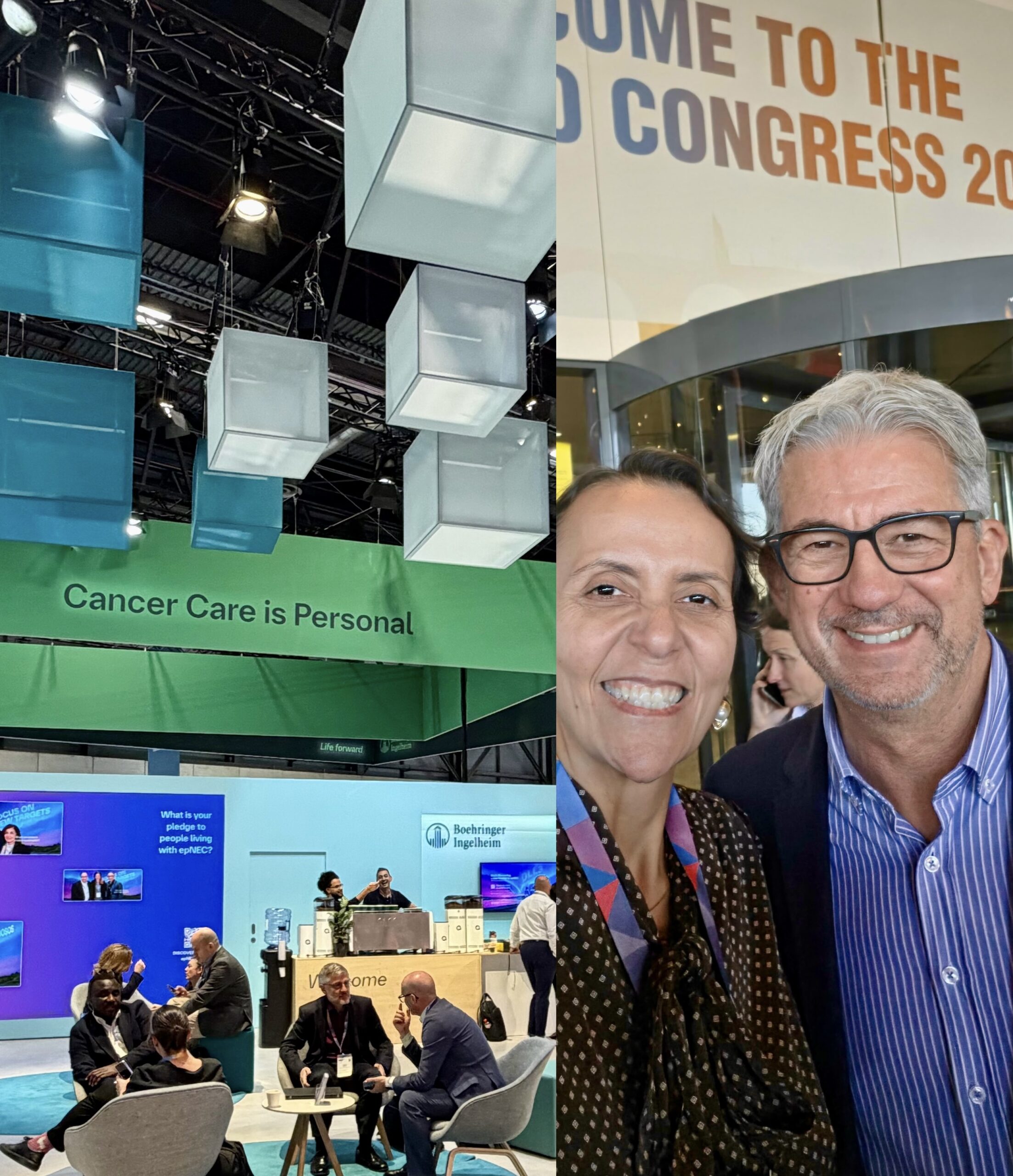
Cancer care is personal
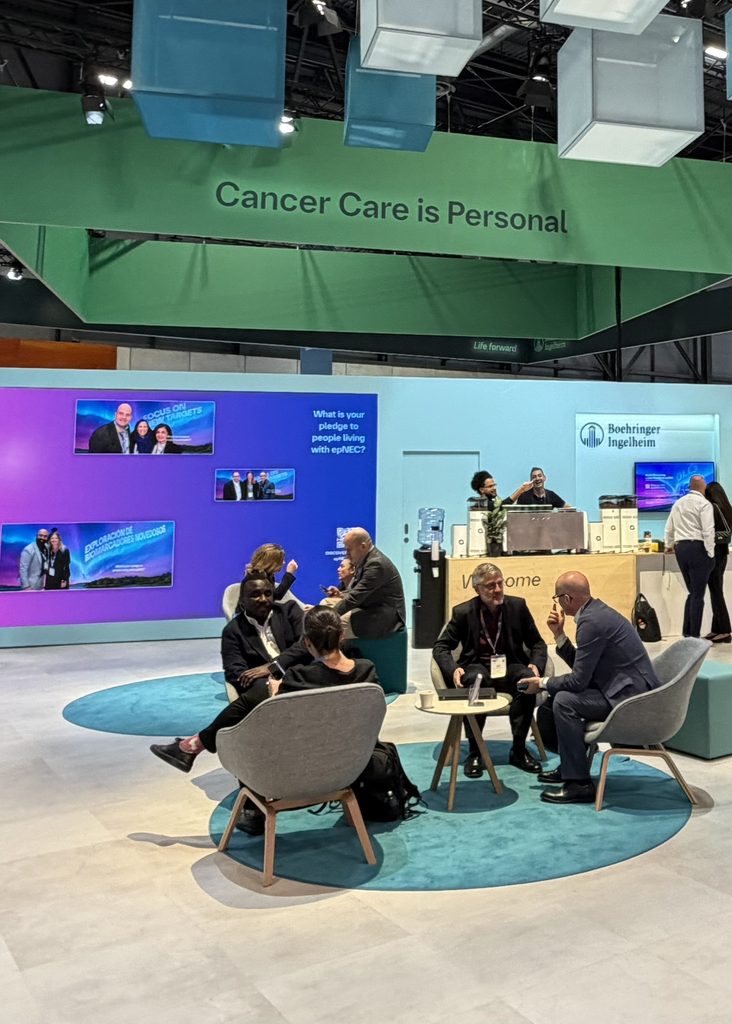
Back home from ESMO – European Society for Medical Oncology 2026, one message stays with me. Boehringer Ingelheim ’s: “Cancer care is personal.” It felt strangely familiar. Why?
I first read it as the human side of cancer. Every patient is a person with a story. Then came the second meaning, the one I know from my own work. Every cancer has its own biology, and treating it accordingly is what we came to call personalized healthcare (Roche times)
Diagnostics helped make it possible. Companion diagnostics became the lighthouses of oncology, helping clinicians identify the right treatments for the right patients, while bringing pharmaceutical and diagnostics companies closer together.
Now comes the GPS with live traffic information. Molecular residual disease (MRD) testing helps follow the disease at a molecular level over time and, where clinically validated, can help clinicians decide whether to continue, change or avoid treatment. Cancer by cancer, the evidence is building.
We have reasons to smile!
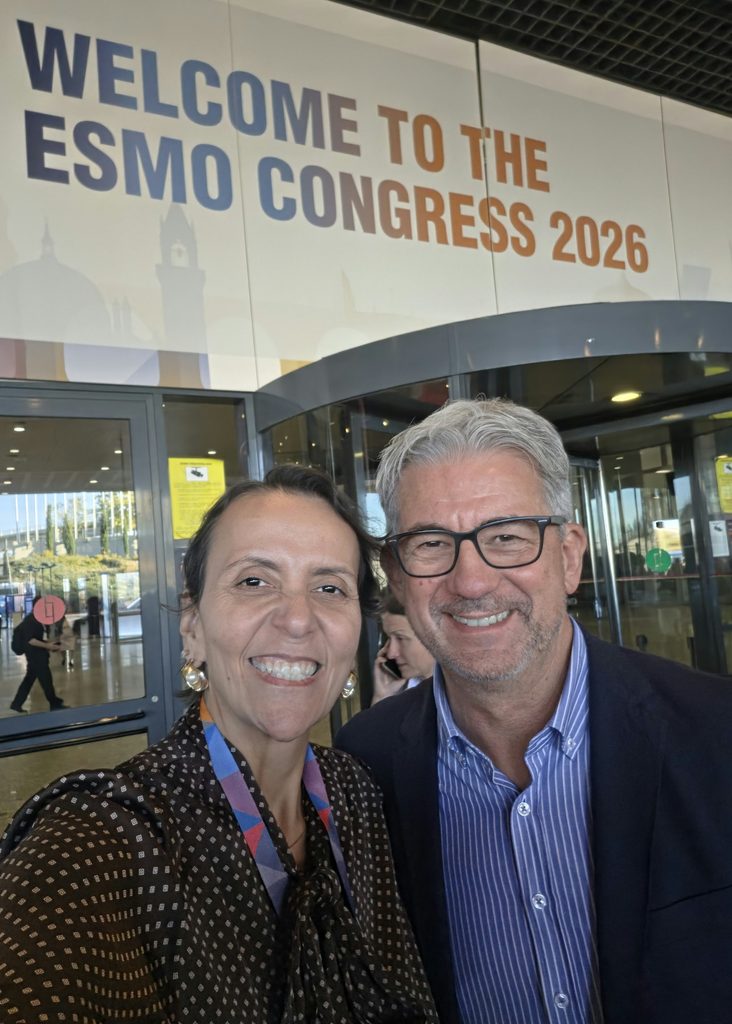
Carla Baggetti Lima, MSc, MBA, a few other colleagues and I worked together to build the Leica Biosystems IHC business in Brazil many years ago. Carla is now Regional Director at Natera. I admire her determination, her energy and her dedication, and her talent for turning obstacles into manageable challenges. At ESMO we met again, and the smiles in the photo are for both things: the true pleasure of meeting colleagues we admire and the future that innovation is bringing to patients and to society at large.
And that is when the opening question answered itself.
We all know that personalised therapy is a reality. Personalised monitoring already exists too, and at ESMO it became more evident that MRD is extending its capabilities. That adds another dimension to personalised cancer care.
By addressing the technical side of cancer, our industry enables healthcare professionals to do a better job on the human side of cancer care.